At VitalLife Clinic, we understand how frustrating it can be to manage polycystic ovary syndrome (PCOS). It’s a condition that’s often underdiagnosed and mismanaged, especially in primary care. Many women experience symptoms but don’t meet all the criteria for a formal diagnosis. This often means missing out on treatments that could alleviate other related symptoms.
PCOS typically involves hormonal imbalances, particularly an excess of androgens, which can cause a variety of symptoms. These might include irregular menstrual cycles, excess hair growth (hirsutism), acne, oily skin, weight gain, thinning hair, and even infertility.
So why is PCOS so commonly mismanaged? Several factors contribute:
- Lack of Awareness: Both healthcare providers and patients might not fully grasp the complexity of PCOS, leading to misdiagnosis or delayed treatment.
- Symptom Variability: The symptoms of PCOS vary widely among individuals, making it tough to identify and treat consistently.
- Focus on Symptoms, Not Causes: Many treatments target specific symptoms, like acne or irregular periods, without addressing the root hormonal imbalance, resulting in incomplete management.
- Lifestyle Guidance: Effective management of PCOS often requires significant lifestyle changes, including diet and exercise, but patients might not receive the necessary support.
- Inconsistent Guidelines: There’s no one-size-fits-all approach to treating PCOS, and varying medical guidelines can lead to different treatment outcomes.
At VitalLife, we’ve been using GLP-1 medications to manage PCOS long before they became mainstream with drugs like Ozempic and Mounjaro. Over a decade ago, we prescribed medications like Victoza and Byetta to reduce insulin resistance. While these earlier drugs didn’t achieve the dramatic weight loss seen with newer options, they effectively decreased insulin resistance and inflammation. This led to significant improvements, such as hair regrowth, more balanced weight distribution, and normalized menstrual cycles.
With the newer GLP-1 medications and affordable compounded versions, I believe we’re on the verge of FDA approval for PCOS treatments within the next five years.
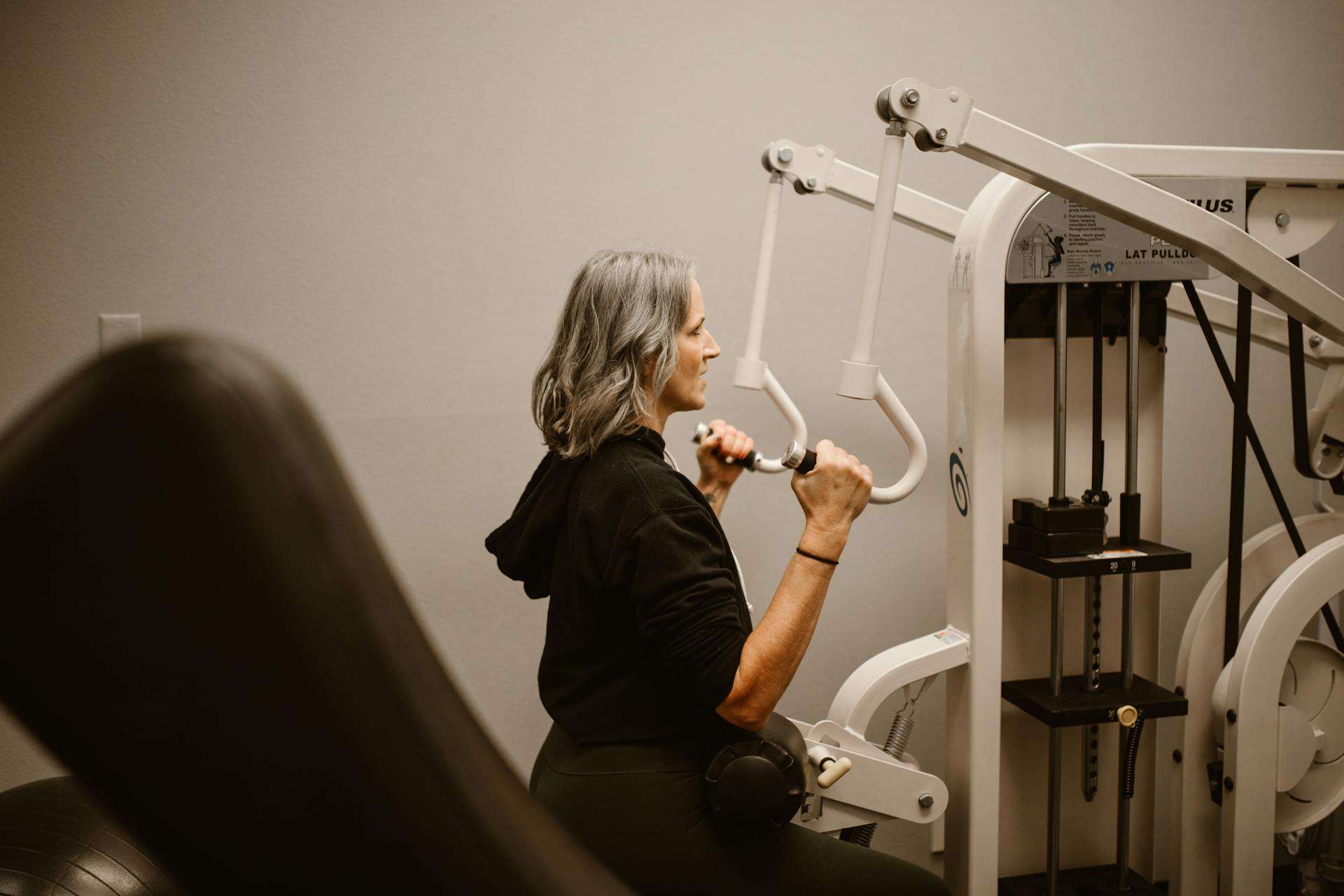
In addition to medication, exercise plays a crucial role in managing PCOS. Many women with PCOS have elevated androgen levels, which can enhance muscle-building. That’s why we often recommend weightlifting along with cardio for the best results.
Diet is another key element. Avoiding processed foods and choosing whole, nutritious options can make a significant difference. Intermittent fasting is a strategy that some of my PCOS patients thrive on, especially when combined with morning workouts. To help manage calorie intake, I suggest using TDEE.net to estimate daily needs, whether your goal is weight loss, maintenance, or muscle gain.
At VitalLife, we combine these strategies to offer comprehensive and effective PCOS management. We’re here to support you every step of the way.