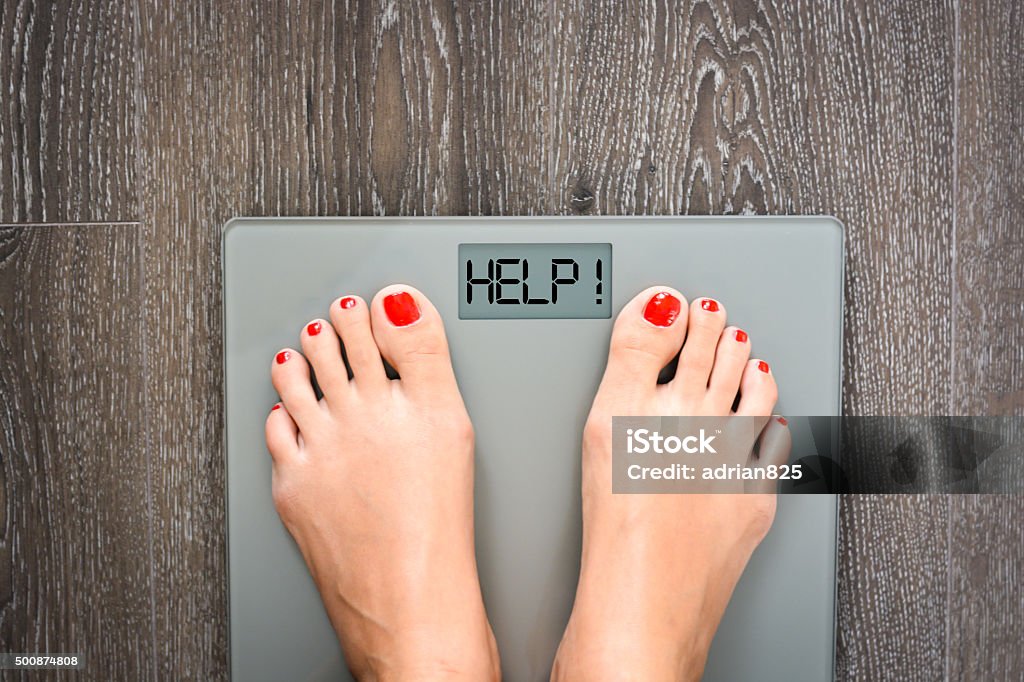
The Hidden Reason You Can’t Lose Weight in Tulsa: Hormone Imbalance
You’ve tried everything. Calorie counting, meal prep, cutting carbs, intermittent fasting, working out five days a week. Some weeks you lose a pound or two. Most weeks the scale doesn’t move at all. And the really frustrating part? Your friend started the same diet, barely tries, and drops 15 pounds in two months.
What gives?
Here’s what your primary care doctor won’t tell you, and what most Tulsa weight loss clinics don’t even test for: your hormones are sabotaging everything you do.
It doesn’t matter how perfectly you eat or how hard you train if your testosterone is 250 ng/dL (it should be 600-900). It doesn’t matter if you’re in a calorie deficit when your thyroid is functioning at 60% capacity. And it definitely doesn’t matter how motivated you are when estrogen dominance is forcing your body to store every spare calorie as belly fat.
At Vital Life Tulsa, we see this pattern constantly. Someone comes in frustrated after months of dieting with minimal results. We run comprehensive hormone panels. And suddenly everything makes sense.
The Hormone-Weight Connection Nobody Talks About
Most weight loss clinics in Tulsa operate on a simple model: reduce calories, increase activity, maybe prescribe Semaglutide or Tirzepatide. If you’re not losing weight, they assume you’re not following the plan.
But here’s the reality: hormones control metabolism, muscle mass, fat storage, appetite, and energy expenditure. When they’re out of balance, losing weight isn’t about willpower – it’s physiologically harder.
Low Testosterone in Men = Metabolic Disaster
Testosterone does more than affect your sex drive. It’s directly responsible for:
Building and maintaining muscle mass. Muscle tissue burns 3x more calories than fat tissue, even at rest. When testosterone drops below 400 ng/dL, you lose muscle and gain fat – even if you’re eating the same calories and working out regularly.
Regulating where fat gets stored. Low testosterone causes visceral fat accumulation – the dangerous belly fat that wraps around your organs and increases inflammation. This type of fat is metabolically active and makes it even harder to lose weight.
Controlling energy and motivation. Ever wonder why you can’t find the energy to work out anymore? Low testosterone causes fatigue, brain fog, and complete loss of drive. You’re not lazy – you’re hormonally depleted.
We regularly see men in their 40s and 50s who’ve “tried everything” to lose weight. Their testosterone levels come back at 280, 320, maybe 380 ng/dL. They’re technically in the “normal” range according to conventional labs (which go as low as 264 ng/dL), but functionally they’re metabolically crippled.
Once we optimize their testosterone to 700-900 ng/dL through replacement therapy, they drop 20-30 pounds in 12 weeks – eating the same calories they were before. Why? Because now their body can actually build muscle, burn fat, and maintain a normal metabolism.
Estrogen Dominance in Women = Fat Storage Mode
For women, the problem is often too much estrogen relative to progesterone – a condition called estrogen dominance.
This happens during perimenopause, after pregnancy, from birth control pills, or just from environmental estrogen exposure (plastics, pesticides, personal care products). And it wreaks absolute havoc on weight loss.
Estrogen dominance causes:
Stubborn fat storage in hips, thighs, and lower belly. Estrogen tells your body to store fat in these areas “for potential pregnancy” – even if you’re 52 and haven’t had a period in two years.
Water retention and bloating. You can gain 5-8 pounds of water weight from estrogen dominance alone. The scale goes up even though you’re not gaining actual fat.
Insulin resistance. High estrogen makes your cells less responsive to insulin, which means your body stores more carbohydrates as fat instead of using them for energy.
Thyroid suppression. Estrogen dominance interferes with thyroid hormone conversion, slowing your metabolism even if your TSH levels look “normal” on standard bloodwork.
Women with estrogen dominance can eat 1,200 calories a day, work out religiously, and still not lose weight. It’s not a calorie problem – it’s a hormone problem.
Thyroid Issues = Metabolism Shutdown
Your thyroid controls your metabolic rate – how many calories you burn just existing. When it’s underactive (hypothyroidism) or not converting properly (low T3), weight loss becomes nearly impossible.
Most doctors only test TSH (thyroid stimulating hormone). If your TSH is between 0.5-5.0, they tell you your thyroid is fine. But TSH doesn’t tell the whole story.
We test:
- TSH (should be under 2.5 for optimal metabolism)
- Free T4 (the inactive form)
- Free T3 (the active form your cells actually use)
- Reverse T3 (the brake that stops T3 from working)
- Thyroid antibodies (to catch Hashimoto’s)
We regularly find patients with “normal” TSH but low Free T3 or high Reverse T3. Their thyroid is technically working, but their cells aren’t getting the signal to burn calories. Once we optimize thyroid function, weight loss becomes possible again.
Why GLP-1 Medications Don’t Work for Everyone
Semaglutide and Tirzepatide are incredible medications. They suppress appetite, improve insulin sensitivity, and help most people lose 15-20% of their body weight.
But here’s what happens when you give them to someone with untreated hormone imbalance:
Low testosterone + Tirzepatide = Weight loss with massive muscle loss. You drop 25 pounds, but 15 of it is muscle. Your metabolism crashes. You look “skinny fat.” And the moment you stop the medication, you regain everything plus 10 more pounds because your metabolism is now slower than when you started.
Estrogen dominance + Semaglutide = Minimal results and terrible side effects. The medication works on appetite and insulin, but if estrogen is forcing fat storage and water retention, you plateau quickly. And because your body is already hormonally stressed, you get worse nausea, fatigue, and mood swings from the GLP-1.
Thyroid issues + weight loss medication = Frustration and failure. If your metabolism is running at 60% capacity, no amount of appetite suppression will create significant weight loss. You eat less, but your body just burns fewer calories to compensate.
This is why some people lose 40 pounds on Tirzepatide and others lose 8. It’s not about the medication – it’s about whether the hormonal foundation is optimized first.
What We Do Differently at VitalLife Tulsa
We’re the only clinic in Tulsa that treats weight loss as a hormonal and metabolic problem, not just a calorie problem.
When you come to Vital Life for weight loss, here’s what actually happens:
Step 1: Comprehensive hormone testing. We run a full panel – not just the basics your primary care doctor orders. For men: total testosterone, free testosterone, estradiol, SHBG, thyroid panel. For women: estradiol, progesterone, testosterone, DHEA, thyroid panel, and sex hormone binding globulin.
Step 2: Identify and fix hormone imbalances FIRST. If your testosterone is 280 ng/dL, we start testosterone replacement therapy before adding weight loss medication. If you have estrogen dominance, we use bioidentical progesterone to balance it out. If your thyroid is sluggish, we optimize it with T3/T4 therapy.
Step 3: Layer in weight loss medication strategically. Once your hormones are optimized, we add Semaglutide, Tirzepatide, or Retatrutide. Now the medication works the way it’s supposed to because your body is metabolically capable of responding.
Step 4: Add body contouring to accelerate results. EmSculpt Neo forces muscle growth and fat destruction simultaneously. More muscle = higher metabolism = faster weight loss. This is especially critical for patients who’ve lost muscle mass from years of yo-yo dieting or hormonal imbalance.https://vitallifetulsa.com/service/emsculpt-neo/
Step 5: Nutrition counseling and workout plans. Medication and hormones get you 80% of the way there. The last 20% is eating enough protein to maintain muscle and training strategically to maximize results.
This integrated approach is why our patients see results like this:
309% more muscle preservation during weight loss compared to medication alone.
Sustained weight loss that doesn’t rebound after stopping medication.
Improved energy, mood, and quality of life – not just a smaller number on the scale.
The Three Types of Patients Who Need Hormone Optimization
Type 1: The Frustrated Dieter
You’ve tried every diet. Some work for a few weeks, then stop. You lose 10 pounds, gain back 15. You’re eating 1,400 calories and working out five days a week but the scale won’t budge.
What’s happening: Likely low thyroid, low testosterone (if you’re a man), or estrogen dominance (if you’re a woman). Your metabolism is suppressed and your body is in survival mode.
Type 2: The GLP-1 Non-Responder
You started Semaglutide or Tirzepatide hoping to lose 30-40 pounds. You lost 8 in the first two months, then plateaued hard. Your doctor keeps increasing the dose but nothing happens except worse side effects.
What’s happening: The medication is working on appetite, but hormonal imbalance is preventing actual fat loss. You need hormone optimization before the weight loss medication can be effective.
Type 3: The Successful Loser Who Can’t Maintain
You’ve lost weight before – maybe even significant weight. But you always gain it back. You feel tired, weak, and cold all the time when you’re dieting. The moment you eat normally again, the weight piles back on faster than before.
What’s happening: You lost weight through calorie restriction, but you also lost muscle mass and tanked your metabolism. Your hormones adapted to starvation mode and never recovered. You need metabolic repair and hormone optimization before attempting weight loss again.
Your Next Step
If you’ve been struggling to lose weight despite doing everything “right,” hormones are almost certainly part of the problem.
Here’s what to do:
Option A: Keep trying random diets and hoping one eventually works (spoiler: it won’t if your hormones are out of balance).
Option B: Go to a traditional weight loss clinic that prescribes medication without testing hormones, then wonder why you plateau after losing 10 pounds.
Option C: Work with a clinic that actually understands the hormonal foundation of weight loss and fixes the root cause instead of just treating symptoms.
At Vital Life Tulsa, we specialize in integrated hormone and weight loss therapy. We’re not just a hormone clinic. We’re not just a weight loss clinic. We’re the only clinic in Tulsa that combines both into a comprehensive system that actually works.
Call us at (918) 221-9712 or schedule a consultation online. We’ll run comprehensive labs, identify your specific hormone imbalances, and build a personalized plan to fix your metabolism and help you lose weight sustainably.